
Handmade Traditional Sanded Plain Tiles
A Plain Roof Tile with Character
At William Blyth, our handmade traditional sanded plain tiles are a tribute to time-honoured British craftsmanship.
Made from our own Humber clay and fired in our historic coal-fired kilns, each tile carries the individual marks and slight undulations of its maker—offering a roof finish full of depth, authenticity, and natural variation.
These sanded plain tiles are ideal for projects where character, texture, and heritage appeal are paramount—whether you’re restoring a period property or designing a home that embraces traditional charm.
Crafted for Heritage
Our traditional sanded tiles are crafted entirely by hand using raw clay from our own reserves.
We do not de-air the clay, preserving a more natural texture, resulting in subtle shape and size variations that can’t be replicated by machine. This handmade finish allows for gentle movement across the roofline, reflecting the look of weathered, centuries-old farmhouses and historic buildings.


Colour Range
Available in three distinctive colourways, each tile offers a rich tone and subtle sanded finish for a timeless aesthetic.

Autumn Orange
Soft, warm, and understated. A gently sanded finish paired with mellow colour variation makes Autumn Orange a popular choice in the South East of England and beyond.

Antique Red
Rich red tones with a classic handmade texture. Antique Red naturally weathers over time, maturing with every passing season for a lived-in, heritage feel.

Chestnut Brown
Deep brown with natural tonal shifts. The instant aged look makes Chestnut Brown ideal for sensitive restoration work or for blending into surrounding architecture.
Handmade Traditional Sanded Plain Tiles Technical Information
| Item | Measurement |
|---|---|
| Minimum Roof Pitch | 35⁰ |
| Size of Tile | 267 mm x 165mm |
| Batten Spacing | 102 mm maximum |
| Cover Capacity per m² | 60 |
| Weight per Tile (kg) | 1.2 |
| Weight per Cover (kg) | 72 |
| Quantity per Pallet | 900 |
| Weight per Pallet (kg) | 1,100 |
*Handmade clay tiles are subject to small variations in size because of the drying and firing shrinkage within the manufacturing process. Before deciding on the batten gauge and linear coverage, the roof tiler should inspect each batch of tiles to ensure that the correct minimum head lap and side lap are achieved. Unless otherwise stated, specification and fixing guide is based on the tiles laid at minimum head lap. Tiles should be drawn from three or more packs concurrently to ensure consistency of blend.
Why Choose William Blyth Sanded Plain Tiles?
Handmade in Britain using traditional techniques since 1840.
Crafted from Humber alluvial clay for durability and rich, natural colour.
Trusted by architects and conservation professionals for heritage projects.
Naturally sustainable with low waste and a low carbon footprint.
Perfect for listed buildings, restorations, and sympathetic new builds.
Request a Sample or Get in Touch
Not sure which colour is right for your roof? Our sample service helps you choose with confidence.
Frequently Asked Questions
Are Handmade Traditional Sanded Plain Tiles suitable for listed buildings and conservation areas?
Yes. William Blyth’s handmade traditional sanded plain tiles are frequently specified by conservation officers for listed and heritage properties. The handcrafted texture, sanded finish, and natural weathering align with conservation requirements and help maintain historical integrity.
How should these tiles be installed to achieve the best finish?
Because our handmade tiles vary slightly in size and shape, we recommend drawing from three or more pallets at a time to achieve a natural blend. Batten spacing should not exceed 102 mm, and tiles must be laid to ensure a minimum headlap of 65 mm. We advise that all tiles be inspected on site before installation to determine accurate spacing and achieve a uniform appearance across the roof.
What is the minimum roof pitch for William Blyth Handmade Traditional Sanded Plain Tiles?
The minimum roof pitch for our handmade traditional sanded plain tiles is 35⁰. This ensures proper water runoff and long-lasting performance, particularly important in the UK’s varied weather conditions.
Can these tiles be used on new build homes?
Yes. While handmade traditional sanded plain tiles are often chosen for heritage and conservation projects, they are also well suited to new build homes where a more authentic, characterful roof finish is required. Their natural texture and traditional appearance can help a new property settle more comfortably into rural, village, or sensitive architectural settings.
What colours are available in the William Blyth Traditional Sanded Plain Tile range?
The range is available in Autumn Orange, Antique Red, and Chestnut Brown. Each colour is created through William Blyth’s traditional clay and firing processes, giving the tiles natural variation, depth, and character rather than a flat or uniform finish.
Do handmade sanded plain tiles weather over time?
Yes. The sanded surface and natural clay finish are designed to weather beautifully over time. As the roof settles into its surroundings, the tiles develop further character, helping create the soft, established appearance often required for heritage buildings, extensions, and restoration projects.
Case Studies
-
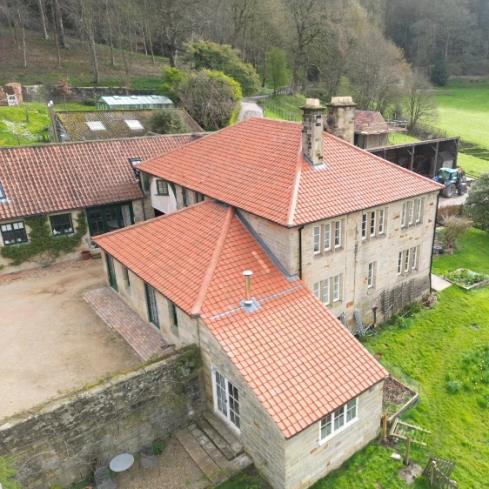
Natural Red Celtic Tiles North Yorkshire A substantial farmhouse in North Yorkshire has been carefully re-roofed using William Blyth’s Natural Red…
-
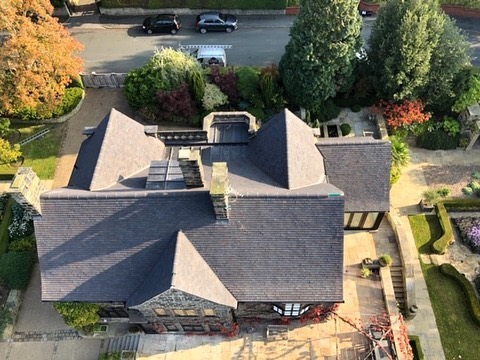
Bespoke Roof Tiles North Yorkshire A private residence in North Yorkshire has been carefully restored with a new roof featuring…
-
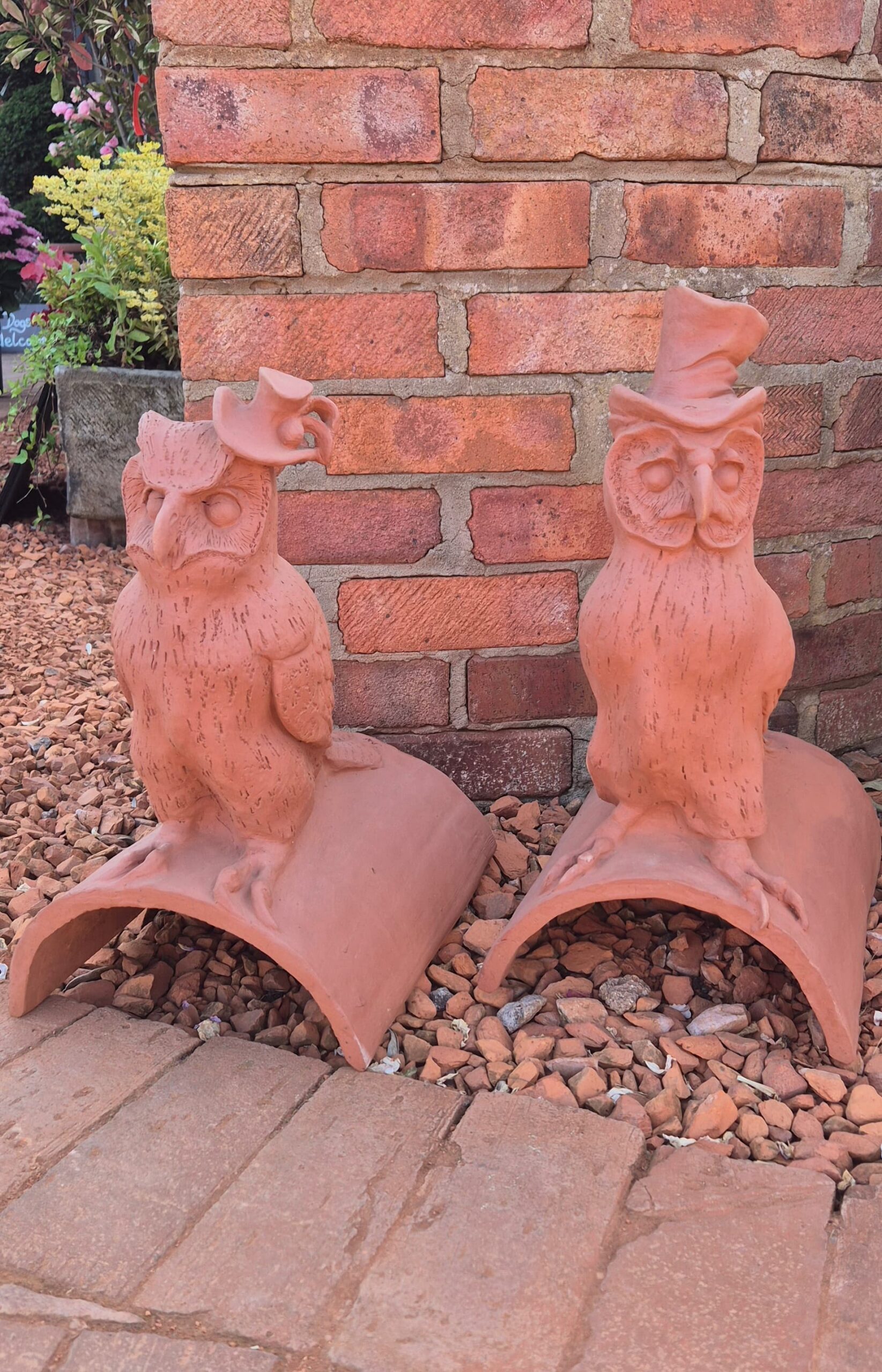
Bespoke Roof Tiles Lincoln At William Blyth, no two bespoke projects are ever quite the same. This latest commission demonstrates…


