
Table of Contents
The roof of a listed building is far more than a functional covering. It is a defining architectural element that contributes significantly to the character, setting, and historic integrity of the structure.
For conservation professionals, specifying appropriate roof tiles for listed buildings requires careful consideration of material authenticity, historic accuracy, planning compliance, and long-term performance.
This guide outlines the key conservation principles involved in roofing historic buildings and explains why traditional handmade clay tiles continue to play an important role in sensitive restoration and repair projects.
The Role Of Roofing In Historic Building Character
Roof coverings are one of the most visually prominent elements of historic buildings. Their form, colour, texture, and weathering patterns contribute strongly to the overall appearance of heritage structures and conservation areas.
Unlike modern roofing systems, historic roofscapes rarely appear uniform. Variations in colour tone, subtle irregularities in tile shape, and natural weathering all contribute to the authenticity of traditional roofs.
When specifying roof tiles for listed buildings, conservation professionals must therefore consider not only structural suitability but also how materials contribute to the visual continuity of the historic environment.
Listed Building Consent & Planning Considerations
In England and Wales, any works that affect the character of a listed building require Listed Building Consent from the relevant local authority. Roofing interventions are typically regarded as significant alterations because they can alter the building’s appearance and material integrity.
Conservation officers will usually assess:
- Whether the proposed roofing material matches the historic covering
- The compatibility of the tile profile with the building’s architecture
- Colour, texture, and natural weathering characteristics
- The impact on the wider conservation area or historic setting
Even where roof tiles are replaced on a like-for-like basis, consent may still be required.
Early consultation between conservation officers, architects, and roofing specialists is often the most effective way to ensure proposals meet conservation policy requirements.
Why Clay Roof Tiles Are Typically Required For Listed Buildings
Many historic buildings across the UK were originally roofed using handmade clay tiles, particularly plain tiles and pantiles depending on regional tradition. For this reason, clay roof tiles for listed buildings are generally preferred within conservation practice.
Material Authenticity
Clay has been used in roofing for centuries and remains consistent with the original construction methods used on historic buildings. Using compatible natural materials helps maintain the authenticity of heritage structures.
Visual Character
Traditional handmade clay tiles exhibit subtle variation in tone, shape, and surface texture. These characteristics are difficult to replicate using modern machine-made alternatives. The resulting variation helps preserve the richness and depth typical of historic roofscapes.
Long-Term Durability
Clay tiles are known for their longevity and low maintenance requirements. Many historic clay roofs have performed successfully for generations. This durability aligns with conservation principles that prioritise long-life, repairable materials.
Matching Historic Roof Tiles
A common challenge in conservation work is matching replacement tiles with existing historic roofs.
Over time, older tiles develop unique characteristics through weathering, mineral content, and traditional firing methods. Achieving a compatible match often requires careful assessment and specialist production techniques.
Effective tile matching may involve:
- Assessing the dimensions and profile of historic tiles
- Replicating colour tone and surface texture
- Producing handmade tiles using traditional clay preparation and firing methods
This approach allows replacement tiles to integrate visually with existing roof coverings rather than appearing noticeably modern.
Understanding Regional Roofing Traditions
Historic roofing practices often vary significantly across the UK, reflecting regional materials and construction traditions. When selecting conservation roof tiles, professionals typically consider the historic roofing style associated with the building’s location.
Clay Pantiles
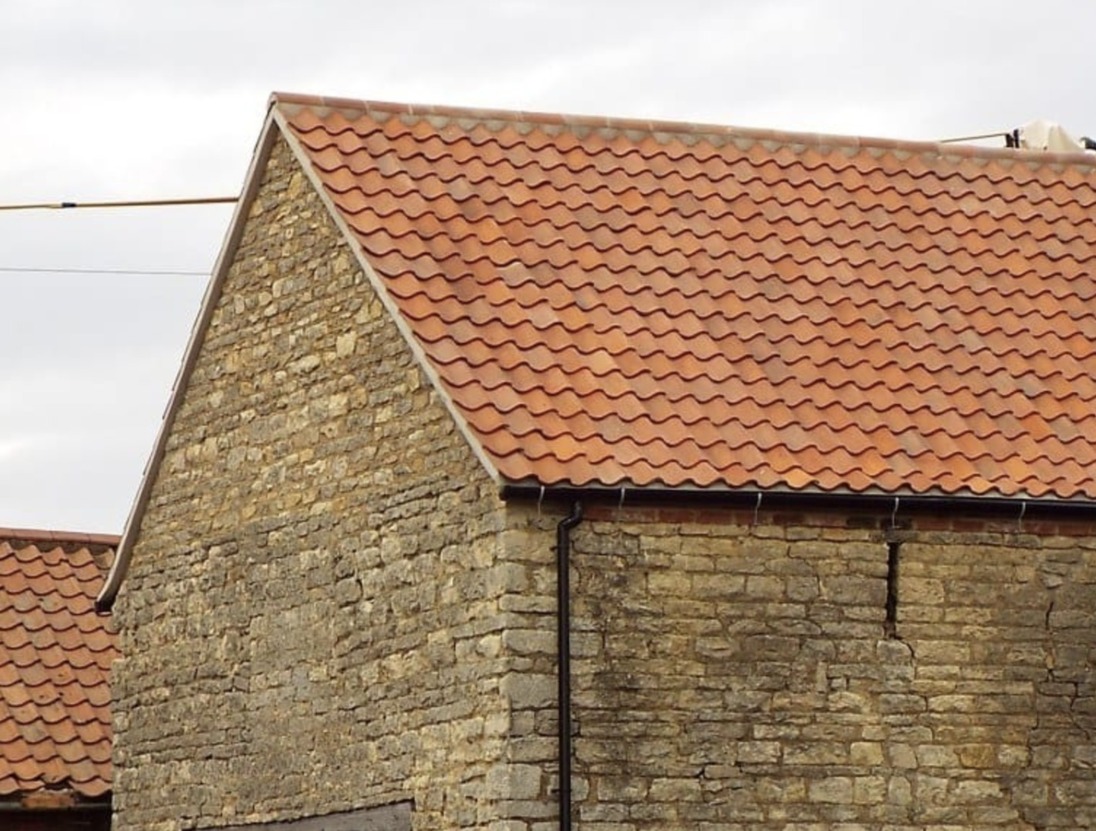
Pantiles are common in eastern and coastal regions of England. Their distinctive curved form creates the undulating roofscape characteristic of many historic towns and villages.
Clay Plain Tiles
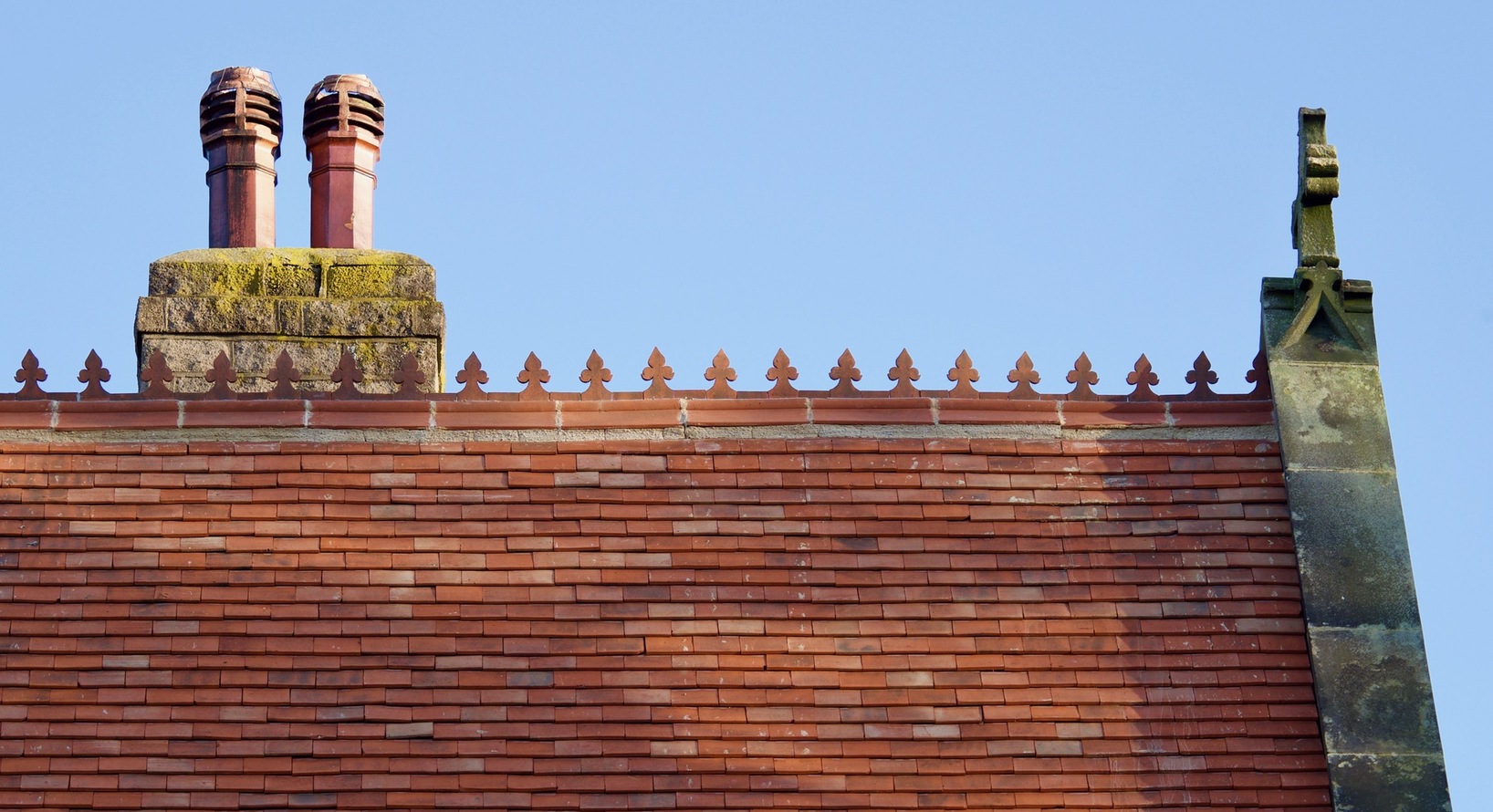
Plain tiles are widely associated with Georgian, Victorian, and earlier buildings across southern and central England. Their overlapping arrangement creates a finely textured roof surface.
Specialised Heritage Details
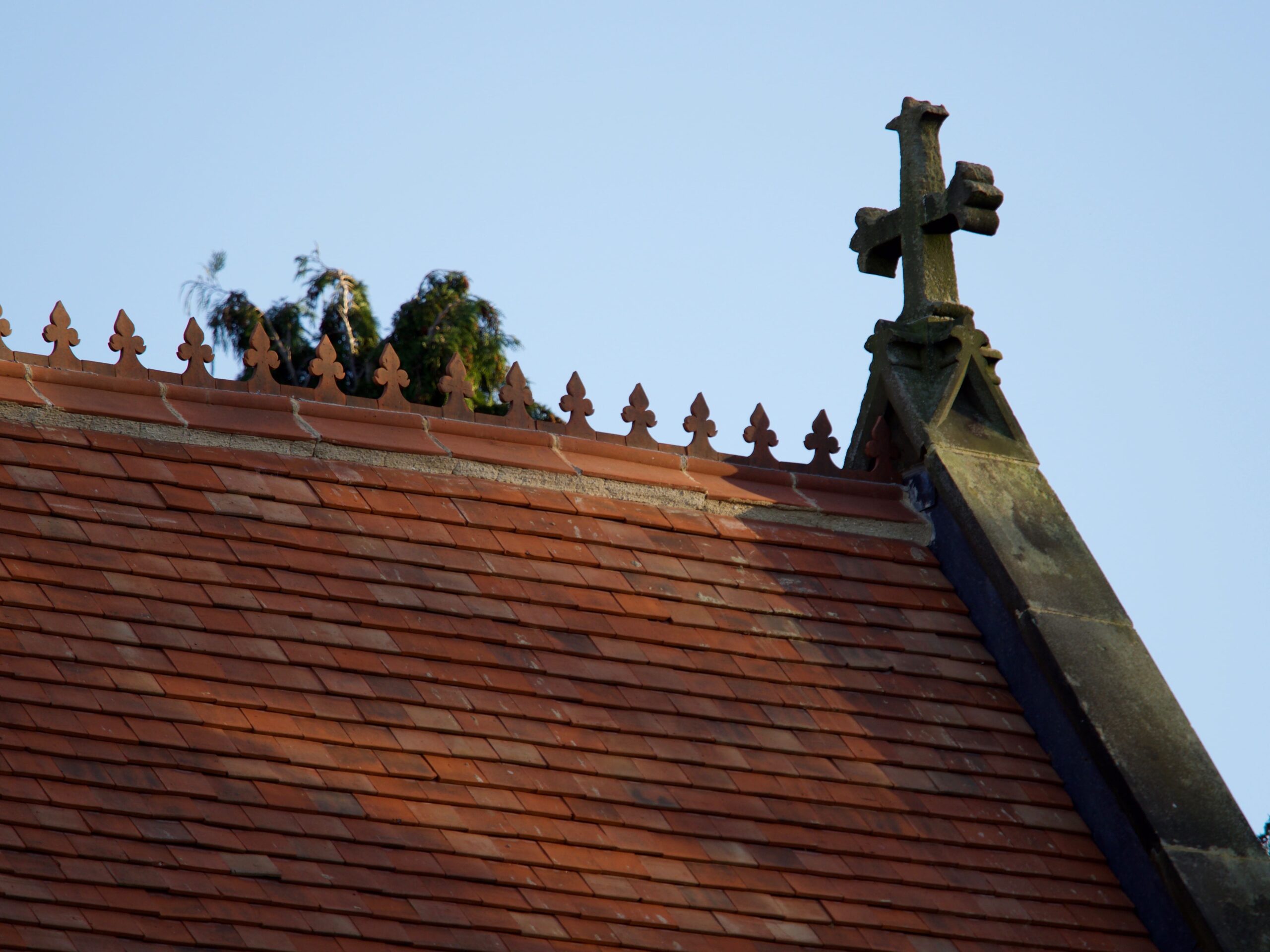
Historic roofs may also include decorative ridge tiles, ventilation features, or bespoke fittings that contribute to the building’s architectural detail. Retaining or accurately replicating these features is often essential in conservation work.
Best Practice For Conservation Roofing Projects
For conservation professionals involved in roofing interventions on listed buildings, several best practice principles are widely recognised.
- Respect original materials – Where possible, historic tiles should be repaired or reused.
- Match traditional manufacturing methods – Handmade clay tiles often provide the closest match to historic roofing materials.
- Preserve roofscape character – Colour variation, texture, and ageing characteristics should be carefully considered.
- Document and justify material choices – Providing clear specification notes can support planning submissions and conservation approvals.
These principles help ensure that roofing work supports both structural performance and heritage conservation objectives.
Working With Traditional Roof Tile Manufacturers
Conservation projects often benefit from collaboration between architects, conservation officers, roofers, and specialist manufacturers. Working directly with manufacturers experienced in heritage roofing can assist with:
- Historic tile identification
- Sample production and colour matching
- Technical specifications for planning applications
- Bespoke tile production for restoration projects
This collaborative approach helps ensure roofing materials meet both conservation standards and practical construction requirements.
Supporting Your Heritage Roofing Project
If you are specifying roof tiles for listed buildings or working on a sensitive conservation project, selecting materials that respect the architectural integrity of the building is essential.
At William Blyth, we work closely with conservation officers, architects, and heritage specialists to provide handmade clay roof tiles crafted using traditional methods. Our tiles offer the natural colour variation, authentic texture, and long-life performance required for historic roofs.
If you require handmade clay roof tiles to support a heritage project, please contact our team to discuss your requirements, request samples, or explore bespoke tile matching options. We would be pleased to support your specification or restoration work.