
Table of Contents
Roof Tiles Buyers Guide
Choosing the right roof is one of the most important decisions when building or renovating a home. Beyond protecting the property from the elements, the roof plays a significant role in defining its character, appearance, and long-term value.
For generations, handmade clay roof tiles have been trusted across Britain for their durability, natural beauty, and timeless appeal. Whether you are planning a self build, restoring a period property, or renovating a countryside home, understanding how to choose and install the right clay roof tiles can help you make a confident, informed decision.
Why Homeowners Choose Handmade Clay Roof Tiles
Handmade clay roof tiles continue to be valued for both their practical performance and traditional appearance. Unlike many modern roofing materials, handmade tiles develop character over time, weathering naturally and sitting comfortably within both historic and contemporary settings.
For homeowners, the benefits often include:
Long-Life Performance
Clay roof tiles are known for their durability and resistance to harsh weather conditions. When installed correctly, a clay tile roof can last for decades with minimal maintenance.
Natural Character & Variation
One of the defining qualities of handmade clay roof tiles is their individuality. Subtle differences in texture, tone, and finish create a roofscape with depth and authenticity that machine-made products often cannot replicate.
Timeless Aesthetic Appeal
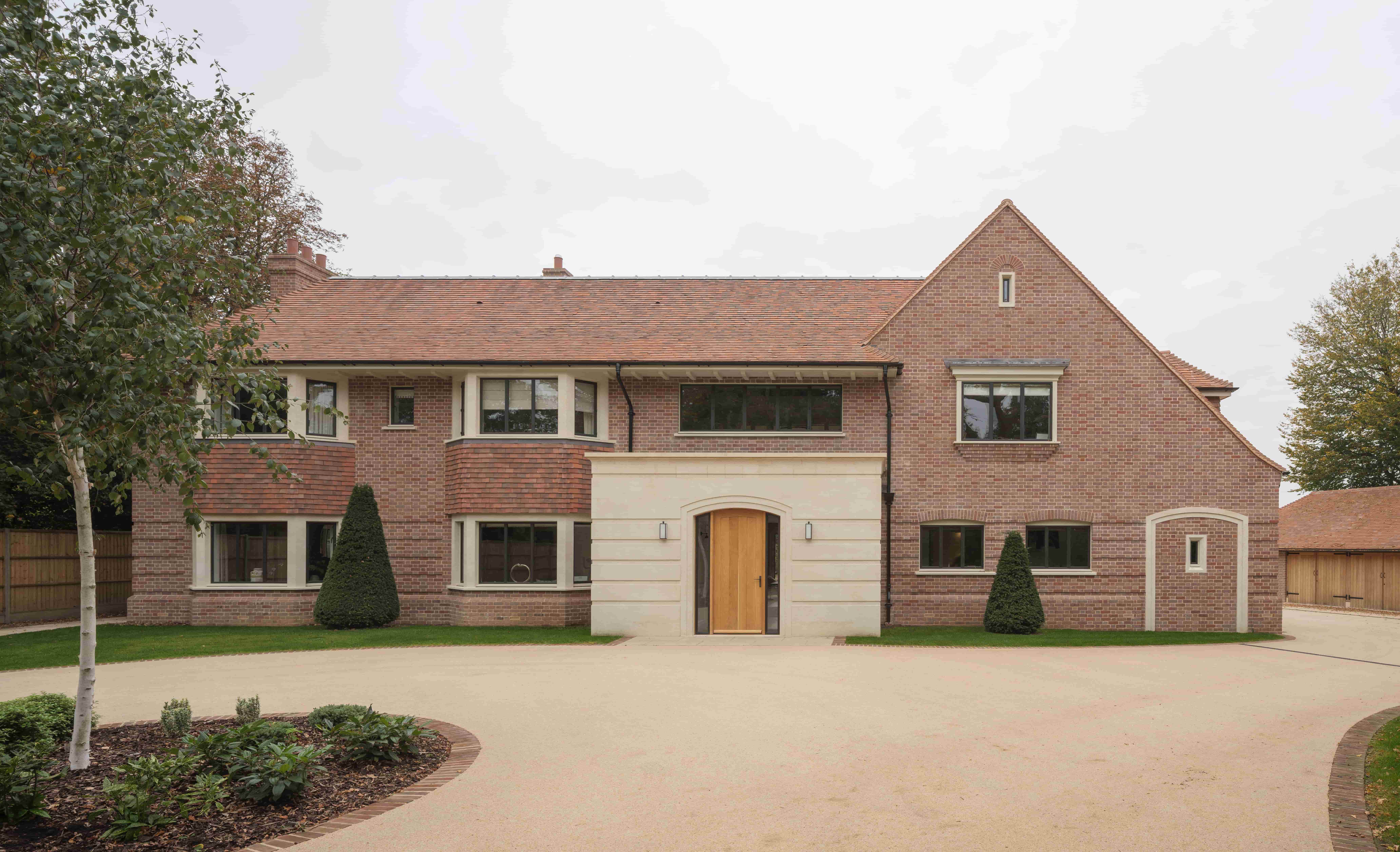
Traditional clay roof tiles complement a wide range of architectural styles, from listed cottages and barn conversions to modern country homes and bespoke self builds.
Sustainability & Responsible Craftsmanship
Clay is a natural material with a long lifespan, making it a considered choice for homeowners looking to build responsibly. British-made roof tiles also help reduce reliance on imported materials while supporting traditional manufacturing skills.
At William Blyth, our handmade clay roof tiles are crafted using Humber clay from our own reserves and produced using centuries-old traditional methods.
Understanding the Different Types of Clay Roof Tiles
Choosing the right tile depends on the style of your property, the surrounding architecture, roof pitch, and personal preference.

Clay Pantiles
Pantiles feature a distinctive curved profile that creates movement and shadow across the roof. They are often chosen for:
- Farmhouses
- Rural properties
- Barn conversions
- Traditional self builds
Clay pantiles generally require fewer tiles per square metre than plain tiles, which can influence installation speed and material quantities.

Clay Plain Tiles
Plain tiles create a refined and traditional appearance through their overlapping installation pattern. They are commonly used on:
- Heritage homes
- Period properties
- Georgian and Victorian-inspired homes
- Steeper roof pitches
Plain clay roof tiles offer a textured, detailed finish that works particularly well in conservation settings.
Handmade vs Machine-Made Roof Tiles
Many homeowners compare handmade clay roof tiles with machine-made alternatives.
Handmade tiles are typically chosen for:
- Greater natural variation
- Authentic appearance
- Heritage projects
- Traditional craftsmanship
- Softer, aged character
Machine-made tiles may offer:
- Greater uniformity
- Faster production
- Lower initial cost
For homeowners prioritising long-term appearance and authenticity, handmade clay roof tiles are often the preferred choice.
How to Choose the Right Roof Tiles for Your Home
Consider the Style of the Property
The roof should complement the overall architecture of the home. Traditional clay roof tiles are particularly well suited to properties that draw influence from regional or historic British architecture.
Think About the Surrounding Area
In rural locations, conservation areas, or villages with historic character, planning authorities may expect roofing materials that reflect the local environment. Choosing heritage roof tiles can help maintain visual consistency while supporting planning approval.
Request Samples Before Making a Decision
Roof tiles can look very different in natural daylight than they do online or in brochures. Viewing physical samples alongside brickwork, render, and landscaping materials can help you make a more informed choice.
Consider How the Roof Will Age
Handmade clay roof tiles naturally weather over time, developing richness and depth of colour. This gradual ageing process is often one of the qualities homeowners value most.


Planning Permission & Building Regulations
Before selecting roof tiles, it is important to understand any planning or regulatory requirements that may affect your project.
Conservation Areas & Listed Buildings
If your property is listed or located within a conservation area, local authorities may require:
- Traditional clay roof tiles
- Handmade or heritage roof tiles
- Specific colours or profiles
- Materials appropriate to the surrounding architecture
Always consult your architect, planning consultant, or local authority before making a final selection.
Building Regulations
Roofing installations must comply with UK Building Regulations relating to:
- Structural performance
- Roof ventilation
- Thermal efficiency
- Fire safety
- Weather resistance
The roof structure must also be designed to support the chosen tile specification safely.
Roof Pitch Requirements
Different roof tiles are suitable for different roof pitches. For example:
- Plain tiles generally require steeper pitches
- Pantiles can often be used on lower pitched roofs
Your roofer or manufacturer should advise on the correct specification for your project.
Installation Considerations for Clay Roof Tiles
Clay roof tile installation should always be carried out by experienced roofing professionals. However, homeowners benefit from understanding the key stages involved.
Roof Structure Preparation
The roof structure must be properly designed to support the weight of clay roof tiles and fittings.
Battening & Underlay
Correct batten spacing is essential to ensure consistent alignment and weather performance. Roofing underlay provides additional protection beneath the tiles.
Ventilation
Proper ventilation helps prevent condensation and protects the long-term health of the roof structure.
Mechanical Fixings
Modern roofing standards often require clay roof tiles to be mechanically fixed, particularly in exposed areas or coastal locations.
Are Handmade Clay Roof Tiles Worth the Investment?
While handmade clay roof tiles can involve a higher upfront cost than some alternatives, many homeowners consider them a worthwhile long-term investment.
The benefits often include:
- Exceptional longevity
- Low maintenance requirements
- Timeless appearance
- Increased kerb appeal
- Suitability for premium and heritage homes
A well-designed clay tile roof not only protects a home, but contributes significantly to its architectural character and long-term value.


Clay Roof Tiles For Homeowners: Our Summary
For homeowners seeking a roof that combines beauty, durability, and authenticity, handmade clay roof tiles remain one of the most trusted choices available.
From selecting the right tile profile to understanding planning considerations and installation requirements, taking a considered approach helps create a roof that will enhance and protect your home for generations.
At William Blyth, we have been crafting handmade clay roof tiles since 1840 using traditional methods passed down through generations. Trusted by architects, conservation professionals, and homeowners alike, our tiles are designed to deliver long-life performance with natural character and enduring quality.