
Table of Contents
Roof Tile Manufacturing Process
How Are Clay Roof Tiles Made?
For over 180 years, William Blyth has been crafting handmade clay roof tiles using traditional methods that have stood the test of time. Every tile we produce carries the character of the clay, the skill of the maker, and the quiet assurance that comes from generations of experience.
This is not mass production. It is a considered, hands-on process that places craftsmanship, durability and heritage at its core.
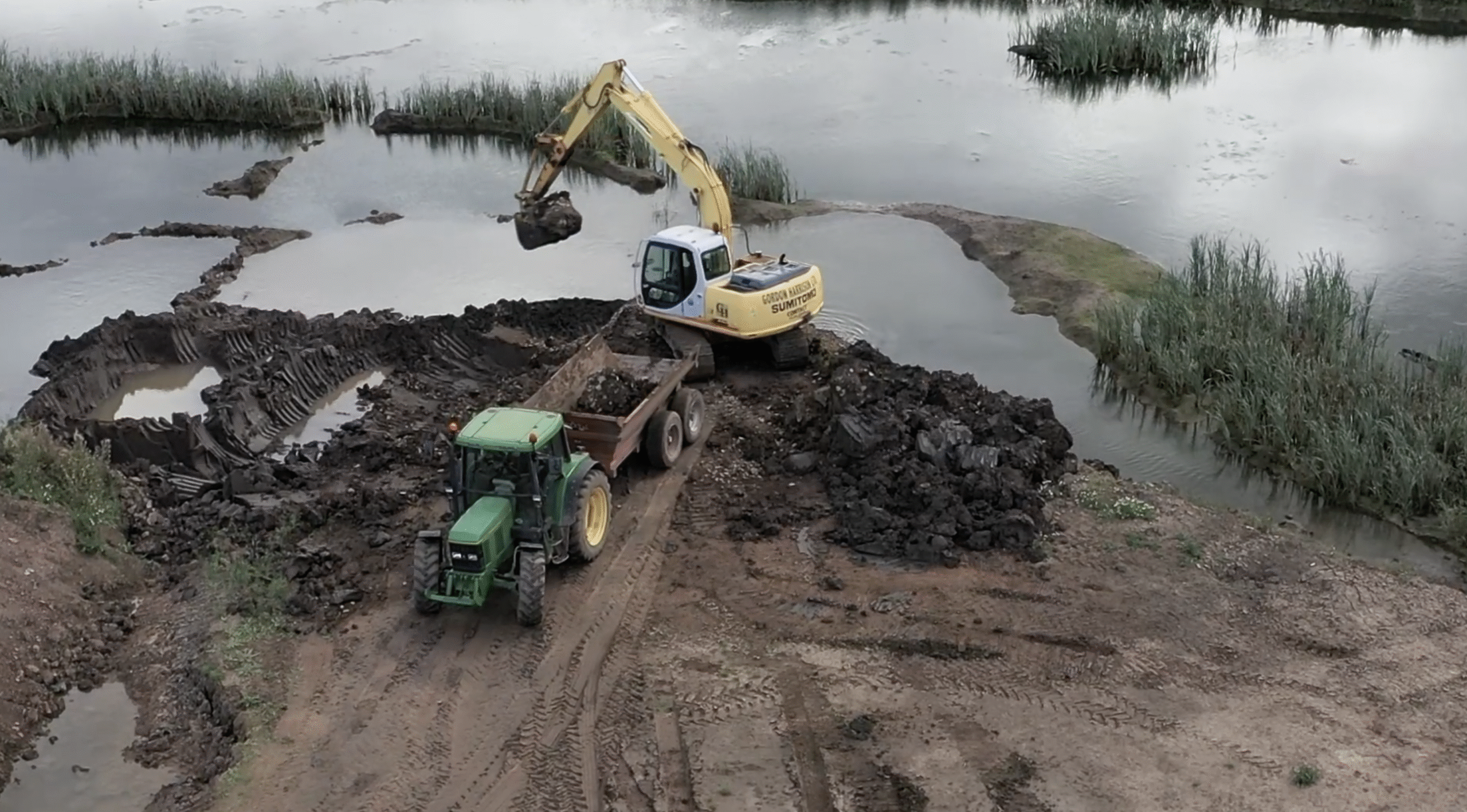
From Humber Clay to Tile
Our process begins with the clay itself. We work with natural alluvial clay drawn from our own reserves beside the River Humber. This clay is rich, workable and ideally suited to traditional roof tile manufacture.
Unlike modern processes, the clay is not de-aired. This preserves its natural texture, allowing subtle variations to remain within the finished tile. It is this quality that gives William Blyth tiles their distinctive surface character and helps them weather naturally over time.
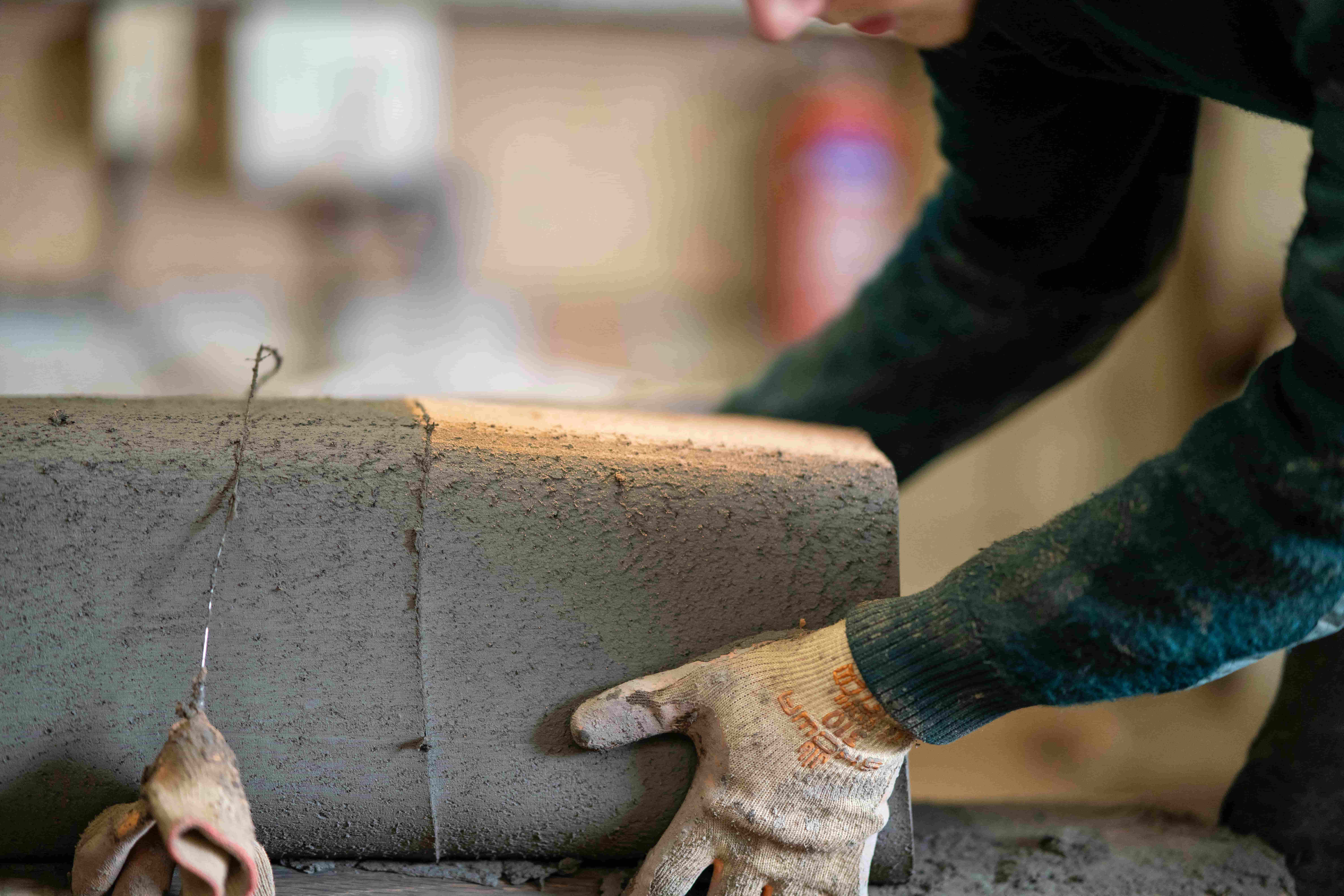
Shaped Individually by Hand
Each tile is shaped by hand using traditional moulds and techniques. Skilled craftspeople form the clay individually, ensuring consistency while allowing the natural nuances of the material to remain.
This approach creates tiles with depth, softness of edge and visual interest, qualities that are difficult to replicate through machine-made alternatives. It is also what makes our tiles so well suited to heritage buildings, conservation areas and sensitive new builds.

Slow Drying for Strength and Stability
Once formed, tiles are dried slowly and naturally. This stage is critical. Natural drying reduces stress within the clay, helping to prevent cracking or distortion later in the process.
Time plays an important role here. By allowing the tiles to dry at their own pace, we ensure stability, strength and long-term performance once installed on the roof.
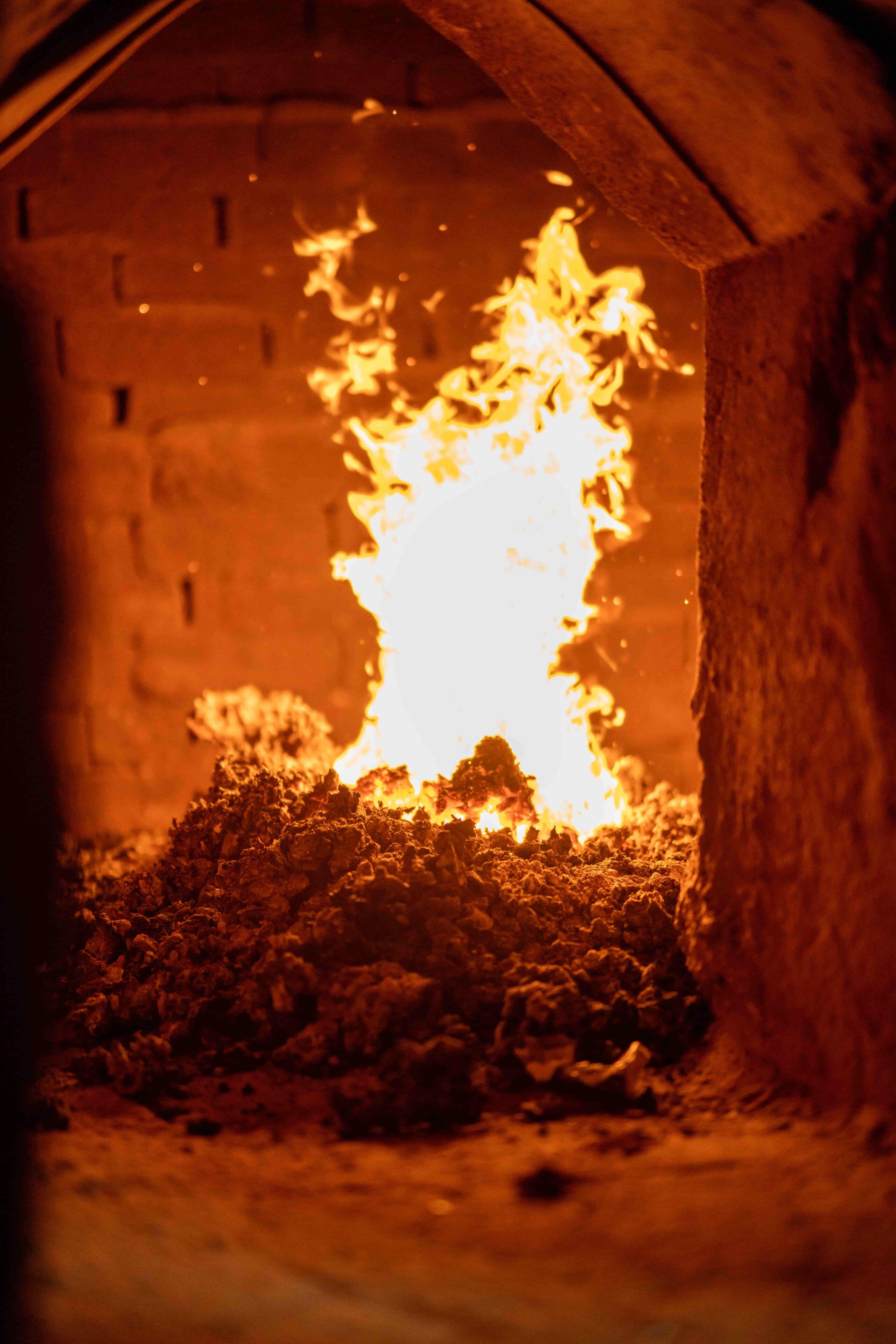
Fired in Traditional Kilns
The dried tiles are then fired in traditional kilns. The firing process brings the clay to its full strength and durability, while also creating the natural colour variation William Blyth is known for.
The tones, ranging from warm oranges to deeper reds and earthier shades, are the result of clay, fire and craftsmanship working together. Each firing produces subtle differences, giving every roof its own unique character.
Natural Variation, Lasting Performance
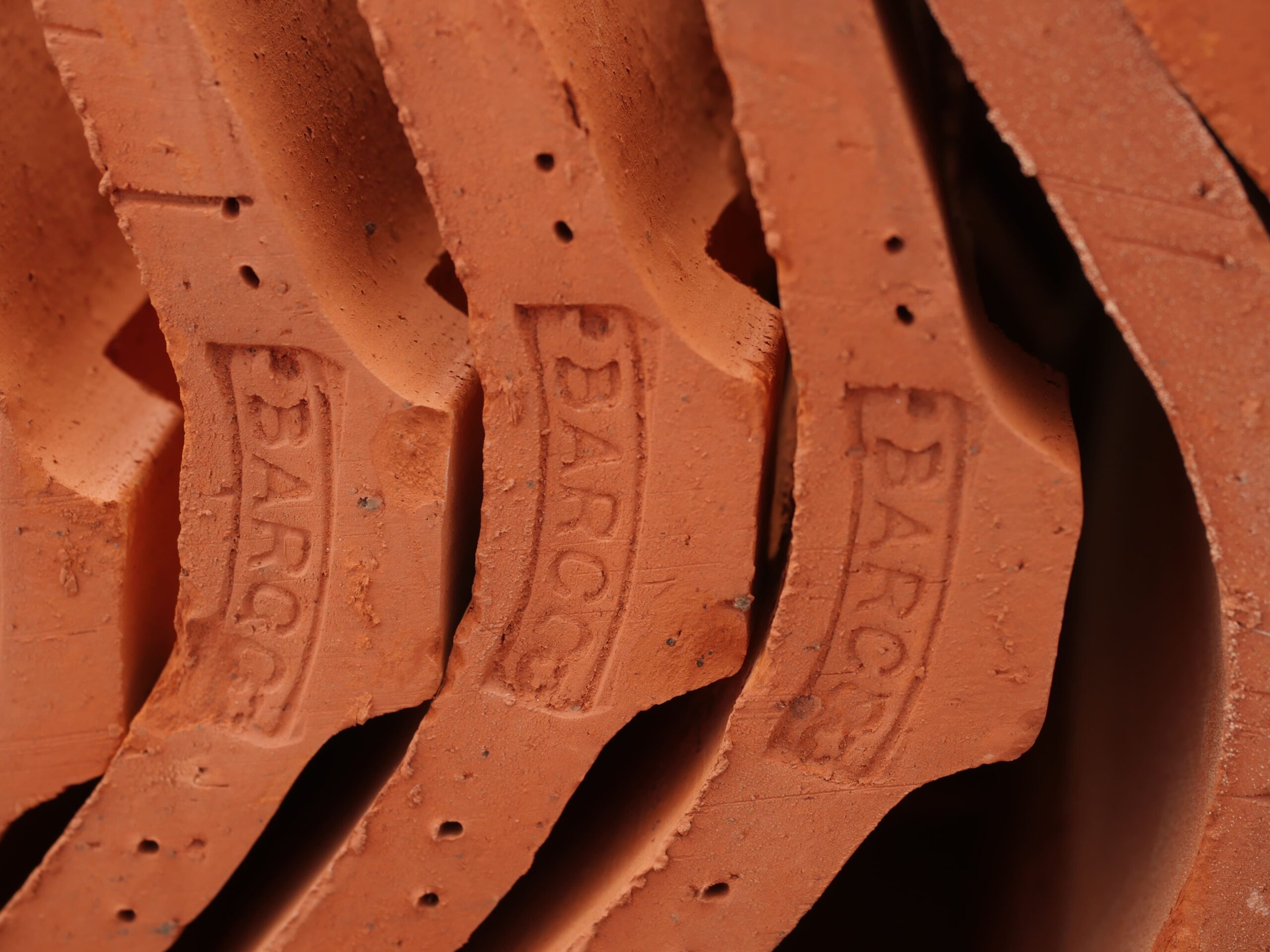
Because our tiles are handmade and traditionally fired, no two are exactly the same. This natural variation is a defining feature. It allows roofs to settle into their surroundings and age gracefully, particularly on historic or rural buildings.
Beyond aesthetics, handmade clay tiles offer excellent longevity, frost resistance and low maintenance over their lifetime. Many roofs laid with traditional clay tiles continue to perform for generations.
Crafted for Heritage and Modern Projects Alike
Our handmade clay roof tiles are trusted by conservation officers, architects, roofers and self-builders across the UK. They are specified for listed buildings and heritage projects, but equally valued on new homes where quality, authenticity and longevity matter.
From pantiles and plain tiles to bespoke fittings, the same care and traditional methods underpin every product we make.

Experience our Craft First-Hand
We believe understanding the process helps explain the value of a truly handmade tile. From clay extraction to firing, every stage reflects our commitment to British craftsmanship and responsible manufacturing.
If you would like to explore our range, request samples, or discuss a specific project, please get in touch.