
Table of Contents
As sustainability becomes an increasingly important consideration within construction and home improvement, many homeowners, architects and conservation professionals are asking the same question: are clay roof tiles eco friendly?
The answer is not simply about how a roof tile is made. A truly sustainable roofing material should be considered across its entire lifespan, from the sourcing of raw materials and manufacturing process through to durability, maintenance and eventual replacement.
Handmade clay roof tiles have been protecting buildings for centuries. Their longevity, natural composition and ability to age gracefully make them a responsible choice for projects where both environmental performance and architectural character matter.
What Makes a Roof Tile Eco Friendly?
When assessing the environmental credentials of a roofing material, several factors should be considered.
Firstly, the material itself should be naturally sourced with minimal reliance on synthetic additives. Secondly, it should offer exceptional longevity, reducing the need for replacement over time. Manufacturing methods, transportation and waste also contribute to the overall environmental impact.
Perhaps most importantly, sustainable building materials should continue performing for generations. Products that require frequent replacement or extensive maintenance inevitably consume more resources throughout their lifetime.


Clay Is A Natural Building Material
Clay has been used in construction for thousands of years because it is abundant, durable and naturally occurring.
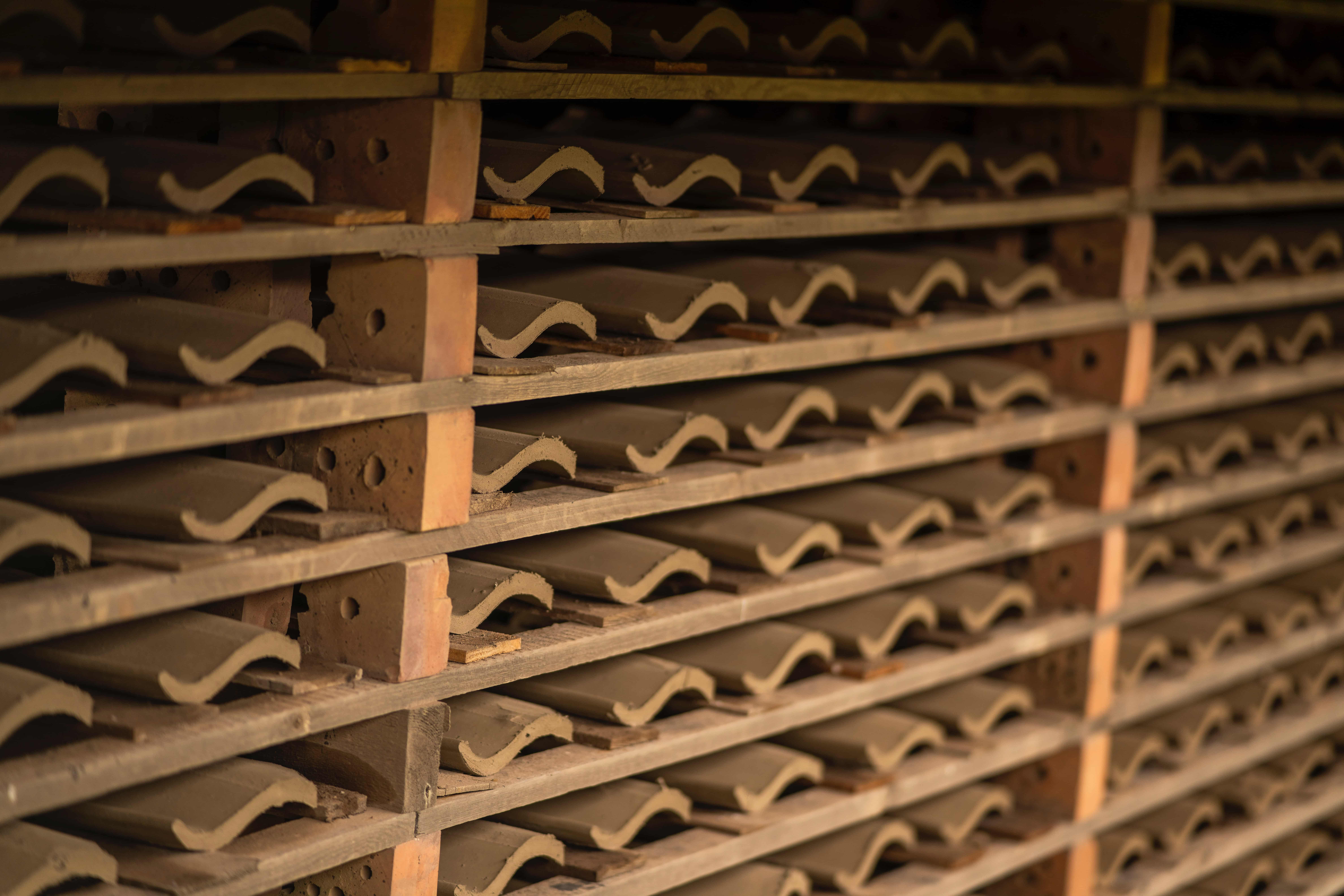
Unlike many modern roofing products, handmade clay roof tiles are created from natural clay without relying on artificial coatings or manufactured surface finishes. Their colour develops through the firing process rather than surface treatments, allowing the natural character of the material to remain visible throughout its life.
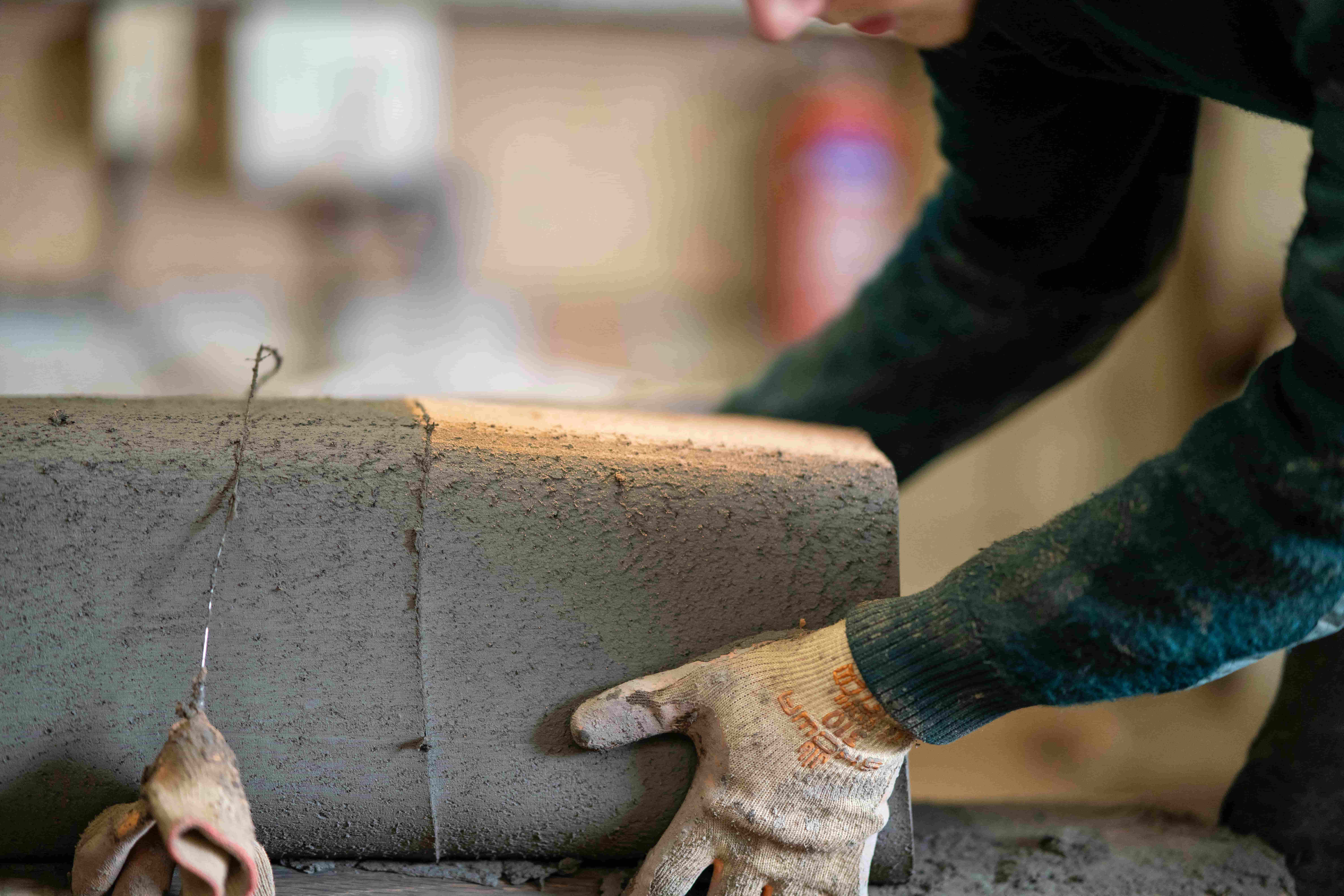
At William Blyth, our roof tiles are handcrafted using Humber alluvial clay from our own reserves. This close connection between raw material and manufacture allows us to maintain complete control over quality while reducing unnecessary transportation between suppliers and manufacturers.
A Roof That Lasts For Generations
One of the greatest environmental benefits of clay roof tiles is their exceptional lifespan.
A well-made clay roof can continue performing for well over a century when correctly installed and maintained. Many historic buildings across the UK still retain original clay roof coverings that have protected the structure for generations.
This longevity significantly reduces the environmental impact associated with manufacturing replacement materials, transporting new products and disposing of old ones.
Rather than focusing solely on initial production, sustainability should always be viewed over the entire lifecycle of a building material.
Handmade Craftsmanship Supports Long-Term Performance
Traditional manufacturing methods continue to play an important role in producing durable, high-quality roof tiles.
At William Blyth, every handmade clay roof tile is crafted using centuries-old techniques that have been refined over generations. This careful approach creates natural variation in colour and texture while producing tiles renowned for their strength and weathering characteristics.
Unlike mass-produced alternatives, handmade clay roof tiles develop additional character as they age, allowing them to sit comfortably within both historic buildings and thoughtfully designed new homes.

Minimal Maintenance Throughout Their Life
Another important sustainability benefit is the relatively low level of maintenance required.
Clay roof tiles are naturally resistant to frost, UV exposure and harsh weather conditions. They do not require regular painting or surface treatments to maintain their appearance, helping reduce ongoing maintenance materials and associated environmental impacts.
Should repairs become necessary, individual clay tiles can often be replaced without disturbing the entire roof, extending the life of the overall roof covering.
Supporting Heritage And Responsible Building
Sustainability is not only about reducing environmental impact. It is also about creating buildings that continue serving communities for generations.
For listed buildings, conservation projects and heritage properties, selecting historically appropriate materials helps preserve architectural significance while avoiding unnecessary future interventions.
Traditional clay roof tiles are trusted by architects, conservation officers and heritage organisations because they combine authentic appearance with proven long-term performance.
Choosing materials that respect the original character of a building often results in repairs and restorations that last significantly longer than unsuitable modern alternatives.
British Manufacturing Matters
The origin of building materials can also influence their environmental impact.
Supporting British manufacturing can help reduce transportation distances while investing in local skills, traditional craftsmanship and regional supply chains.
William Blyth continues to manufacture handmade clay roof tiles at our historic Barton-upon-Humber site, preserving specialist knowledge that has been passed through generations of skilled craftspeople.
By sourcing our own Humber clay and producing our tiles locally, we maintain complete oversight of quality while continuing a manufacturing tradition that has existed since 1840.
Are Clay Roof Tiles The Most Sustainable Roofing Choice?
No roofing material is entirely without environmental impact, and firing clay requires energy. However, when considering the complete lifecycle of a roof, handmade clay roof tiles perform exceptionally well.
Their natural composition, remarkable lifespan, low maintenance requirements and ability to remain in service for generations all contribute to their long-term sustainability.
Rather than requiring repeated replacement over a building’s lifetime, clay roof tiles provide lasting protection while developing the natural character that makes traditional roofs so distinctive.
Handmade Clay Roof Tiles Crafted For Generations
At William Blyth, we believe sustainability is measured over decades, not simply at the point of manufacture.
Our handmade clay roof tiles are created using natural Humber clay, traditional British craftsmanship and techniques that have stood the test of time. The result is a roof covering that combines authentic heritage appearance with exceptional durability and responsible long-term performance.
Whether you are restoring a listed building, specifying materials for a conservation project or creating a forever home, handmade clay roof tiles remain an investment in both architectural quality and lasting sustainability.